Archives
- 2026-09
- 2026-08
- 2026-07
- 2026-06
- 2026-05
- 2026-04
- 2026-03
- 2026-02
- 2026-01
- 2025-12
- 2025-11
- 2025-10
- 2025-09
- 2025-03
- 2025-02
- 2025-01
- 2024-12
- 2024-11
- 2024-10
- 2024-09
- 2024-08
- 2024-07
- 2024-06
- 2024-05
- 2024-04
- 2024-03
- 2024-02
- 2024-01
- 2023-12
- 2023-11
- 2023-10
- 2023-09
- 2023-08
- 2023-07
- 2023-06
- 2023-05
- 2023-04
- 2023-03
- 2023-02
- 2023-01
- 2022-12
- 2022-11
- 2022-10
- 2022-09
- 2022-08
- 2022-07
- 2022-06
- 2022-05
- 2022-04
- 2022-03
- 2022-02
- 2022-01
-
Overall we found maternal antibiotics
2022-10-25

Overall, we found maternal 5224 to be associated with improved outcomes. In these multiple logistic regression models, high postnatal empiric infant antibiotic exposure was not significantly associated with risk for NEC or LOS. However, consistent with previous studies,5, 6 receipt of high empiric
-
Hyperactivity of the hypothalamus pituitary adrenal HPA axis
2022-10-25
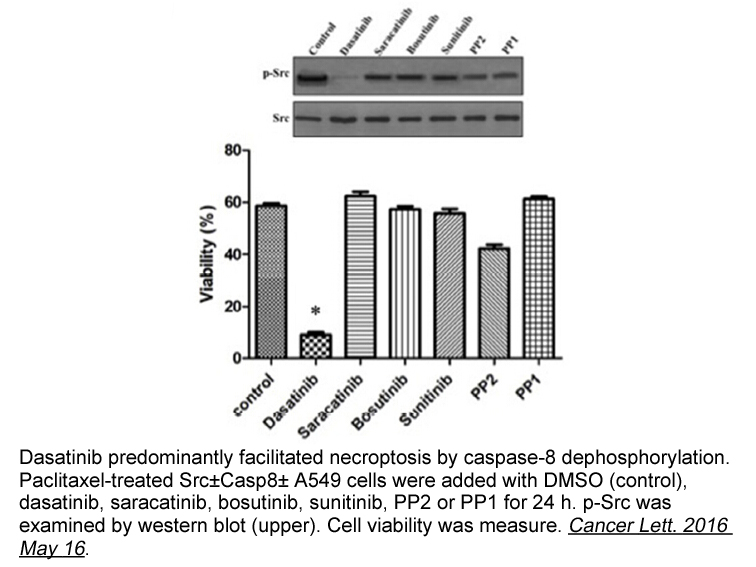
Hyperactivity of the hypothalamus-pituitary-adrenal (HPA) axis, which is well described in MDD (Pariante and Lightman, 2008, Marques et al., 2009), is also observed in AD and results in increased glucocorticoid (GC, cortisol in primates) levels in blood and CSF (Davis et al., 1986, Martignoni et al.
-
Linagliptin is a recently approved dipeptidyl peptidase DPP
2022-10-24

Linagliptin is a recently approved dipeptidyl peptidase-4 (DPP-4) inhibitor and widely considered as first-line treatment for patients with type 2 diabetes. DPP-4 is responsible for the inactivation of incretin hormones, such as glucagon-like peptide 1 (GLP-1). GLP-1 is released by the intestine aft
-
br Adenosine as a mediator
2022-10-24
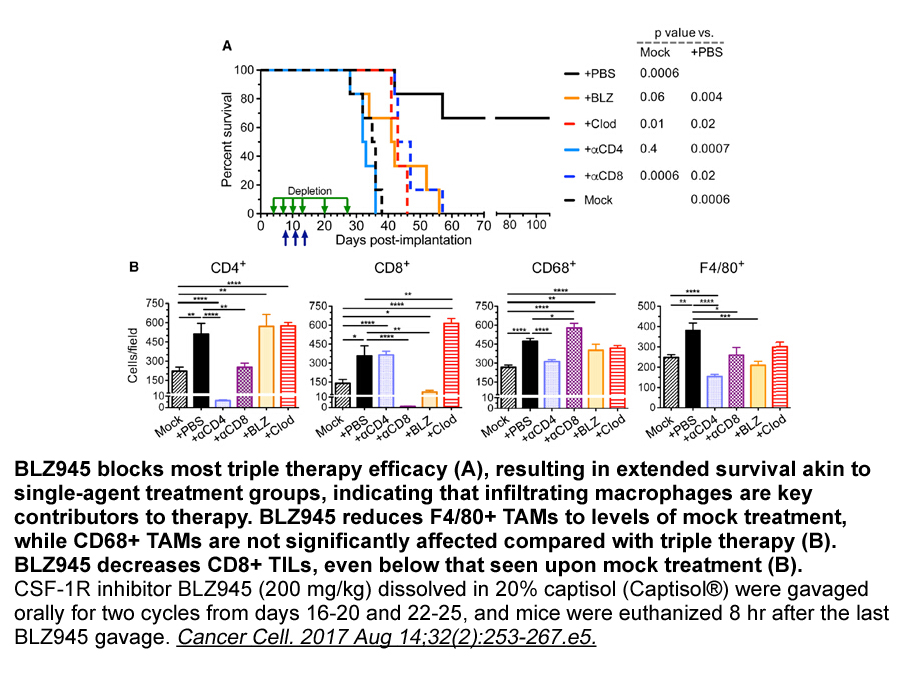
Adenosine as a mediator of procedures used to manage pain The issue of caffeine Caffeine, from dietary sources, is perhaps the most widely consumed behaviorally active agent in the world (Fredholm et al., 1999). Initial characterization indicated caffeine had a higher affinity at A1−, A2A− and
-
br AD and COX LOX
2022-10-22
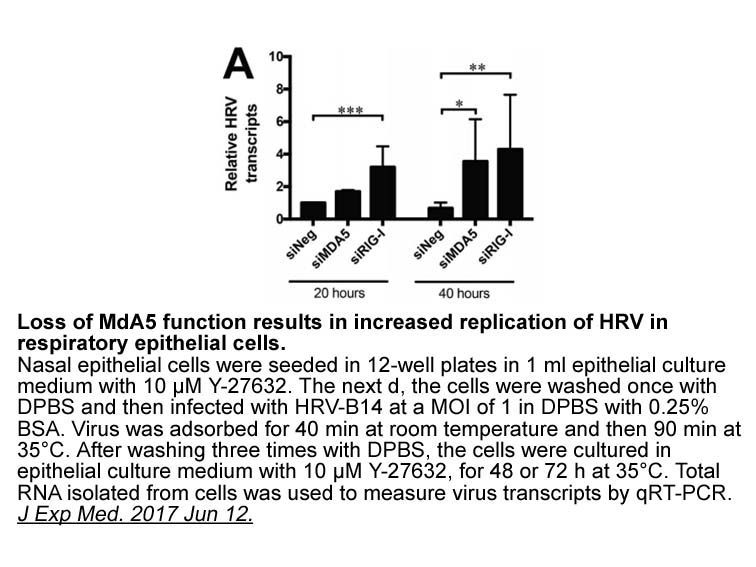
AD and COX/5-LOX pharmacology Early studies on the role of cyclooxygenases in AD were inspired by epidemiological data suggesting that COX inhibitors such as nonsteroidal anti-inflammatory drugs (NSAIDs) could be beneficial in AD patients (Lucca et al., 1994, McGeer et al., 1990). This line of re
-
It has been reported that leukotrienes
2022-10-22
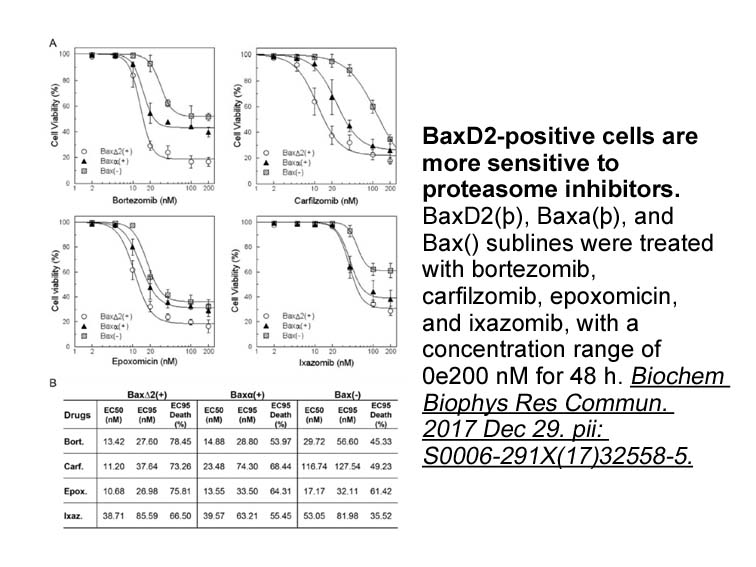
It has been reported that leukotrienes and their receptors, e.g. the cysteinyl leukotriene receptor 1 (CysLT1) may promote Candesartan receptor injury (Ding et al., 2007) and that increased 5-LOX expression and activity lead to production of brain-toxic molecules (Khan et al., 2010). However, differ
-
br Mechanisms of homeostasis At face value homeostatic
2022-10-22
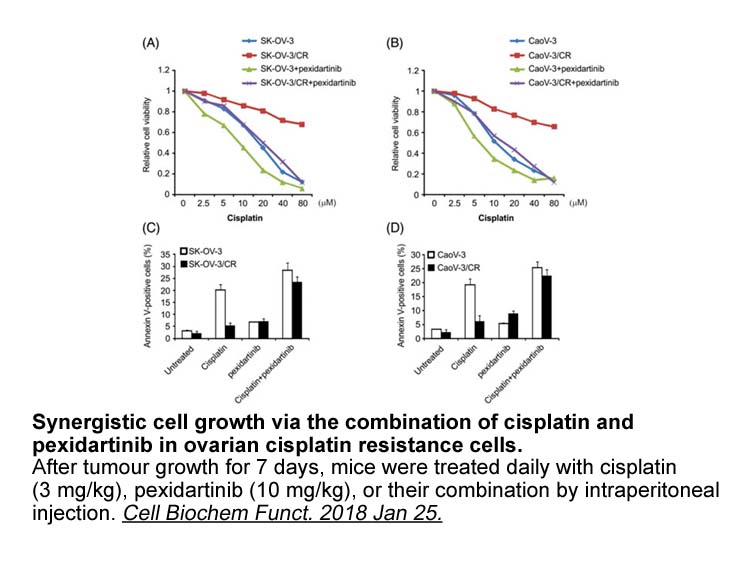
Mechanisms of homeostasis At face value, homeostatic mechanisms may seem like nothing more than a simple balance between opposing forces; however, the ability of Mec1/Tel1 to each orchestrate both negative and positive regulation greatly complicates the system under consideration and argues again
-
There are no studies documented the role of
2022-10-21
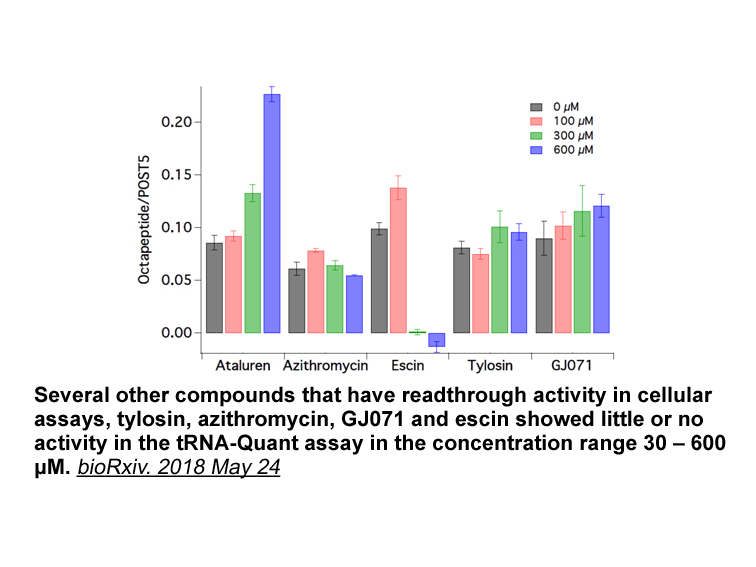
There are no studies documented the role of RAS in the differentiation of MSCs into IPCs but there are previous studies indicating that Ang II receptors exhibit opposing actions on MSCs differentiation, into other cell types rather than IPCs. The blockade of AT2R was reported to suppress MSCs differ
-
br Conclusion br List of abbreviations
2022-10-18
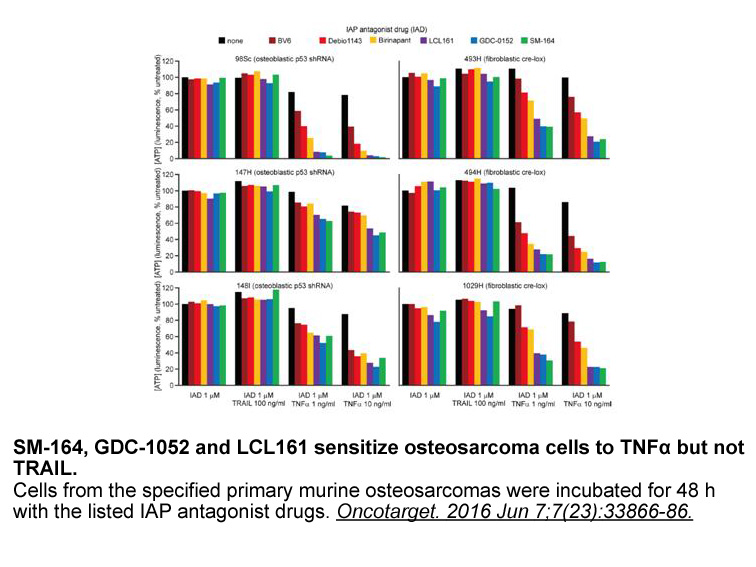
Conclusion List of abbreviations Acknowledgment The studies performed by our laboratory and presented in this review were supported by the Ministry of Education, Culture, Sports, Science and Technology of Japan, (KAKENHI 17590618 [to H.I.] and KAKENHI 22249017 [to Y.Y.]), and the Japanese S
-
Aurora A and B are required for the control of
2022-10-18
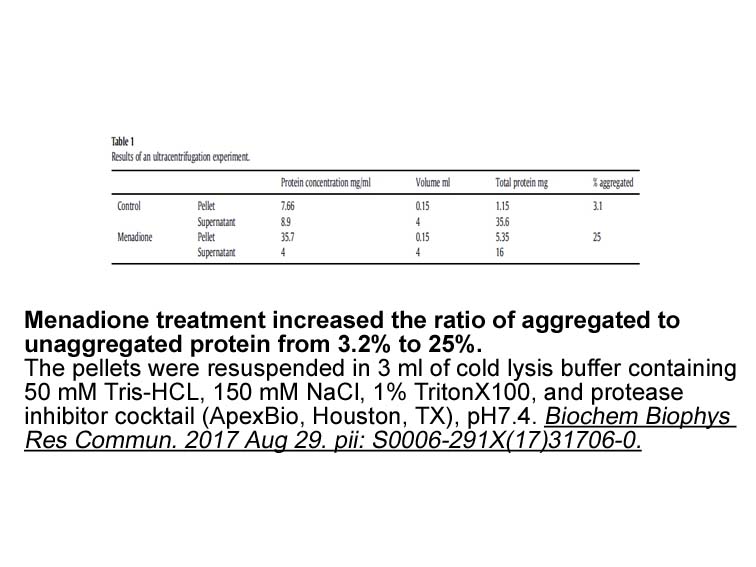
Aurora A and B are required for the control of mitosis whereas Aurora C is mainly invoved in meiosis (Goldenson and Crispino, 2015). Interestingly, Aurora B is partnered with inner centromere protein (INCENP), survivin and Borealin to form a chromosomal passenger complex (CPC) that is critical for t
-
There are two major isoforms of LO
2022-10-18
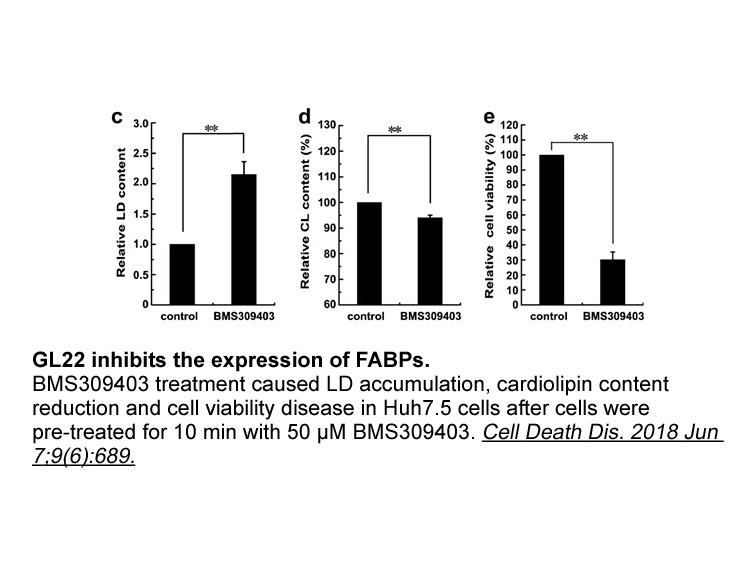
There are two major isoforms of 12/15-LO in mammalian, 12 and 15- LO, with different cellular distributions. To determine the relative contributions of these isoforms towards glucose-induced monocyte-endothelial interactions, the distribution of these isoforms in the two cell types involved in leuko
-
br Experimental section br Acknowledgements The authors than
2022-10-14
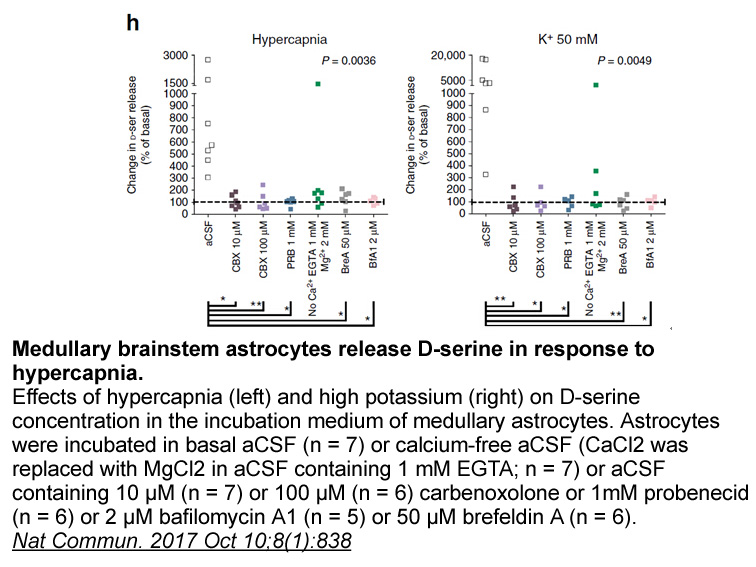
Experimental section Acknowledgements The authors thank Prof. Yongbing Cao from School of Pharmacy, the Second Military Medical University, for providing the fluconazole-resistant strains of Candida albicans(strain 100 and strain 103). This work was supported by Program for Innovative Research
-
Dose Response Studies Against Puromycin
2022-10-14
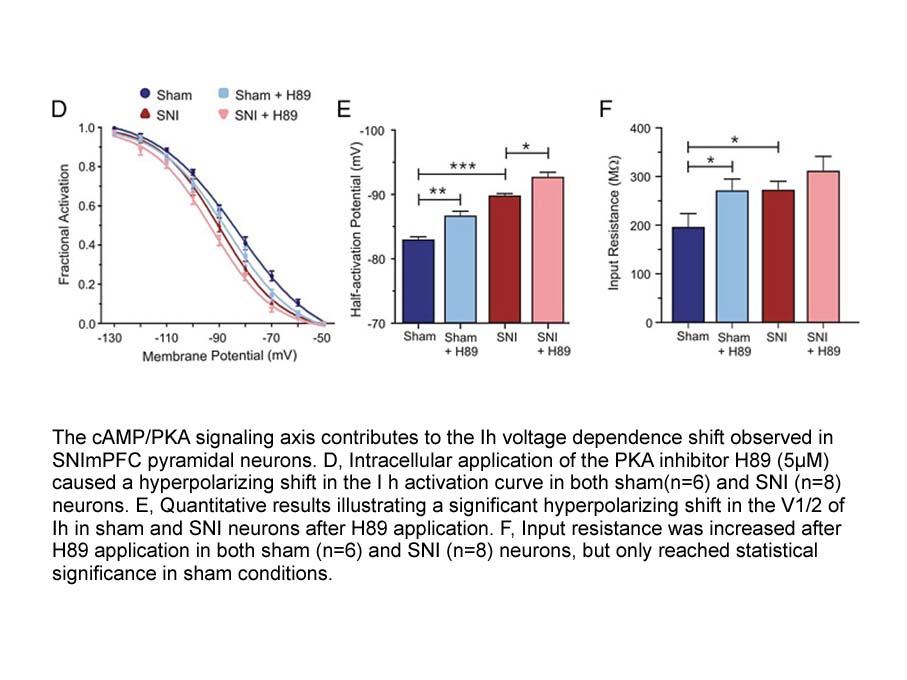
Dose–Response Studies Against Puromycin–Sensitive Aminopeptidase (PSA). PSA is a ubiquitous metallopeptidase encoded by the NPEPPS gene with subcellular distribution in the cytosol and nucleus [49]. Comprising of a 919 amino nisoldipine sequence, it has a broad substrate specificity, and is responsi
-
Some of the earliest LOX inhibitors were redox
2022-10-14
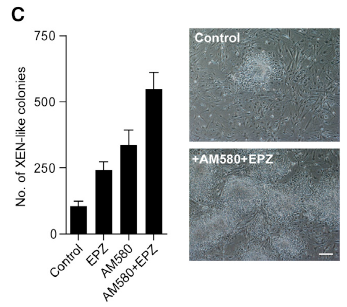
Some of the earliest 12-LOX inhibitors were redox inhibitors, including nordihydroguaiaretic Acarbose (NDGA), BW 755C, and baicalein 48, 49, 50. Redox inhibitors block the oxidation of the nonheme iron at the cataylytic site, preventing its conversion from the inactive (Fe2+) to the active (Fe3+) s
-
Cancer stem cells CSCs may have been first identified in
2022-10-14
Cancer stem cells (CSCs) may have been first identified in teratocarcinomas [11], [12], with its initial clues date back to the 19th century [13]. Kleinsmith and Pierce [12] established the immortal pluripotent teratocarcinoma lines from a single transplanted multi-potent malignant cell, strongly su
8729 records 432/582 page Previous Next First page 上5页 431432433434435 下5页 Last page