Archives
- 2026-09
- 2026-08
- 2026-07
- 2026-06
- 2026-05
- 2026-04
- 2026-03
- 2026-02
- 2026-01
- 2025-12
- 2025-11
- 2025-10
- 2025-09
- 2025-03
- 2025-02
- 2025-01
- 2024-12
- 2024-11
- 2024-10
- 2024-09
- 2024-08
- 2024-07
- 2024-06
- 2024-05
- 2024-04
- 2024-03
- 2024-02
- 2024-01
- 2023-12
- 2023-11
- 2023-10
- 2023-09
- 2023-08
- 2023-07
- 2023-06
- 2023-05
- 2023-04
- 2023-03
- 2023-02
- 2023-01
- 2022-12
- 2022-11
- 2022-10
- 2022-09
- 2022-08
- 2022-07
- 2022-06
- 2022-05
- 2022-04
- 2022-03
- 2022-02
- 2022-01
-
br Discussion Herein we demonstrate that mice deficient in L
2024-07-12
Discussion Herein, we demonstrate that mice deficient in L-12/15 LO are more sensitive to 3-NP-induced toxicity although a substantial individual variability in striatal lesion size in response to 3-NP in both genotypes was observed. This variability is not atypical; several studies demonstrate s
-
As one of emerging high throughout
2024-07-12
As one of emerging high-throughout methods, metabolomics detects metabolites which are ultimate response of biological systems to environmental changes [14]. Metabolomics uncovers metabolic alteration at the systems level. Comparison of global metabolic profiling reflects some unidentified biologica
-
br Conclusion br Conflict of interest
2024-07-12
Conclusion Conflict of interest Acknowledgements Introduction Human salivary aldehyde dehydrogenase (hsALDH) (E.C. 1.2.1.5) is the first line of defence against toxic aldehydes in the oral cavity. HsALDH is primarily a dimeric, class 3 ALDH (ALDH3A1) specific for aromatic and long/medium
-
br Material and methods br Results br
2024-07-12
Material and methods Results Discussion GRK2 activity has increasingly been shown to contribute to the progression of numerous diseases and organ dysfunction [5], [6]. For instance, a large body of work over the last two decades has identified GRK2 as a major regulator of cardiac dysfunctio
-
br Adenosine receptors and the adaptive immunity T lymphocyt
2024-07-12
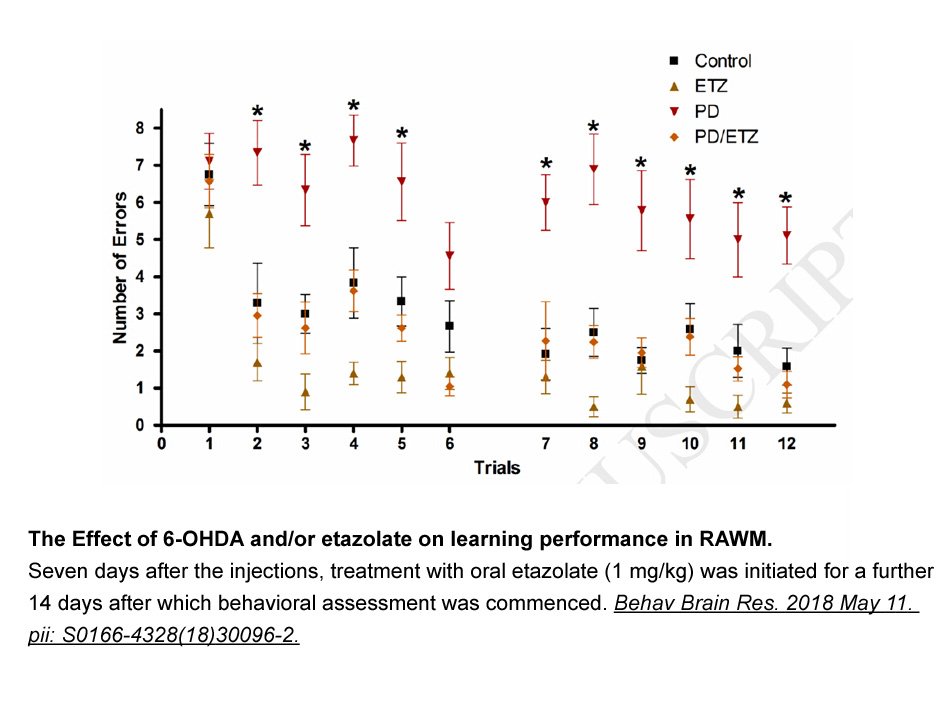
Adenosine receptors and the adaptive immunity T lymphocytes are responsible for the cell-mediated immune response [95]. These cells can be stimulated by the presentation of antigenic moieties by APCs, such as dendritic cells or macrophages [96]. The presentation of antigenic molecules on the APC
-
br The role of AMPK beyond
2024-07-12
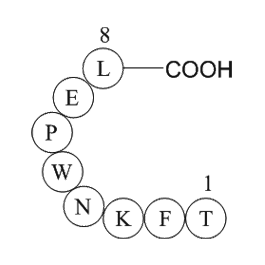
The role of AMPK beyond TAE226 homeostasis: regulating metabolism AMPK plays a major role in glucose homeostasis by modulating glucose transport in peripheral tissues [20]. Skeletal muscle, one of the main peripheral tissues involved in glucose uptake and disposal, expresses glucose transporter
-
AdipoRon Tacrine an aminoacridine derivative Fig
2024-07-12
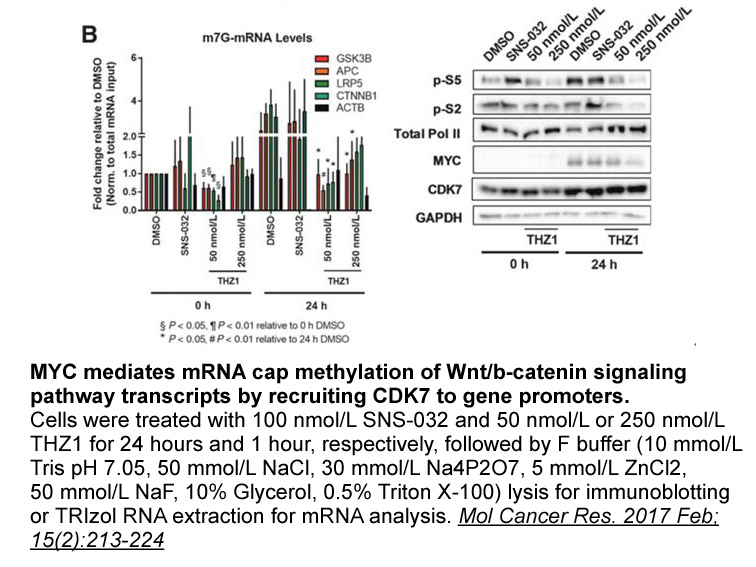
Tacrine, an aminoacridine derivative (Fig. 1, A), was the first AChE inhibitor approved for treatment of AD [12], [13]. This compound was withdrawn from the market due to its hepatotoxicity [14]. In spite of tacrine's side effects, it is still an attractive lead compound for medicinal chemists due t
-
Introduction br This paper is a commentary
2024-07-12
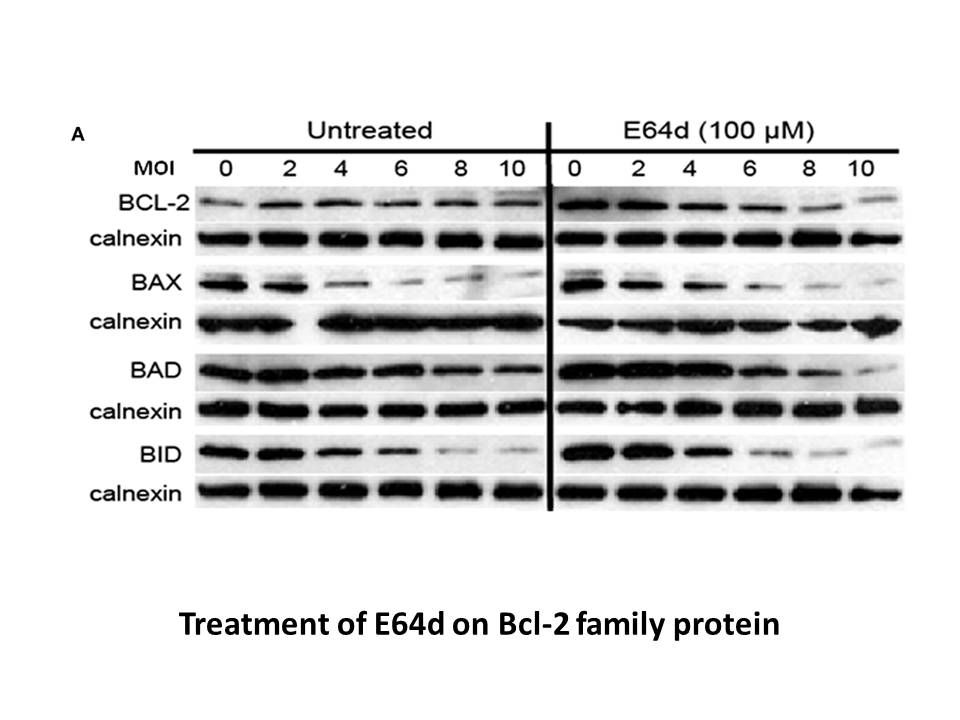
Introduction This paper is a commentary on the history of language among the Aché. What was language for the Aché prior to contact with Paraguayan society? How has the Aché language come to be endangered? Why is language such an important issue today? In exploring these questions I come to a slig
-
Introduction br This paper is a commentary
2024-07-12
Introduction This paper is a commentary on the history of language among the Aché. What was language for the Aché prior to contact with Paraguayan society? How has the Aché language come to be endangered? Why is language such an important issue today? In exploring these questions I come to a slig
-
It has been known that LOX is the rate limiting
2024-07-11
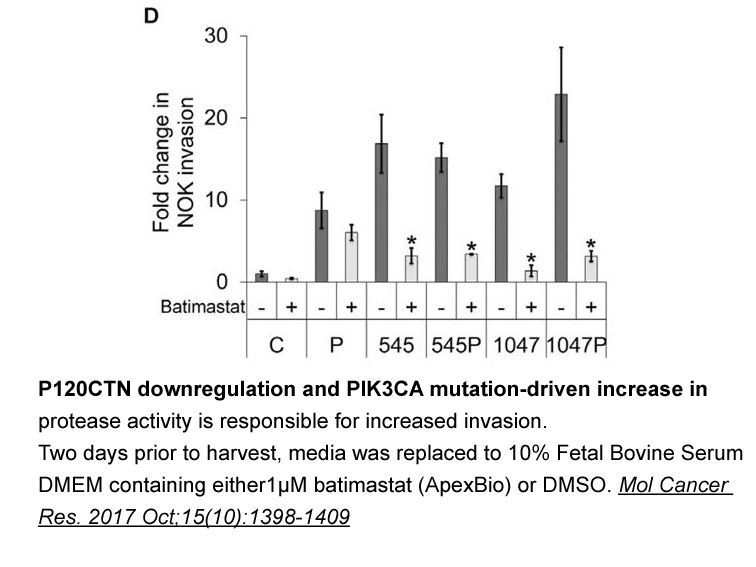
It has been known that 5-LOX is the rate-limiting enzyme for the products of LTs, and LTs actively participate in the activation of neutrophils [10]. In our study, we determined whether 5-LOX was upregulated in pancreatic tissues during ANP. Moreover, we investigated whether the inhibition of expres
-
The observation that vortioxetine blocks HT induced currents
2024-07-11
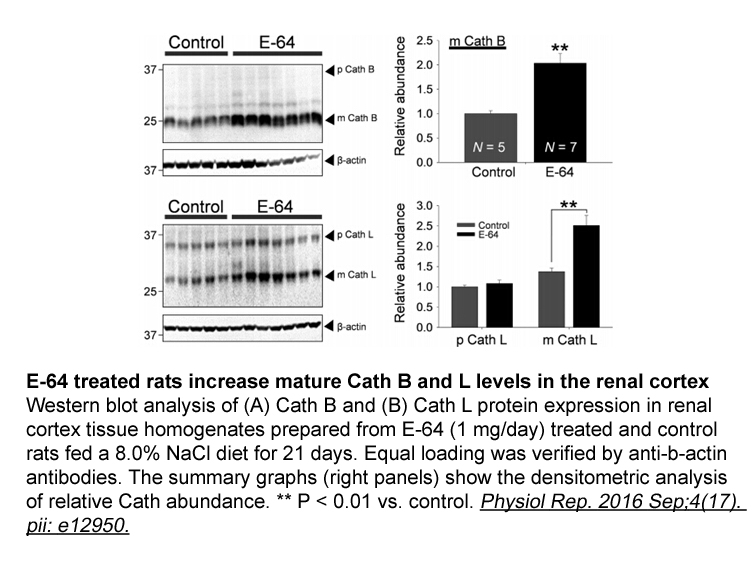
The observation that vortioxetine blocks 5-HT-induced currents in 5-HT3 receptor-expressing oocytes suggests that vortioxetine acts to functionally antagonize these receptors, and is in line with previously published data (Bang-Andersen et al., 2011). For example, Mørk et al. (2012) demonstrated tha
-
The overall adjustment the non
2024-07-11
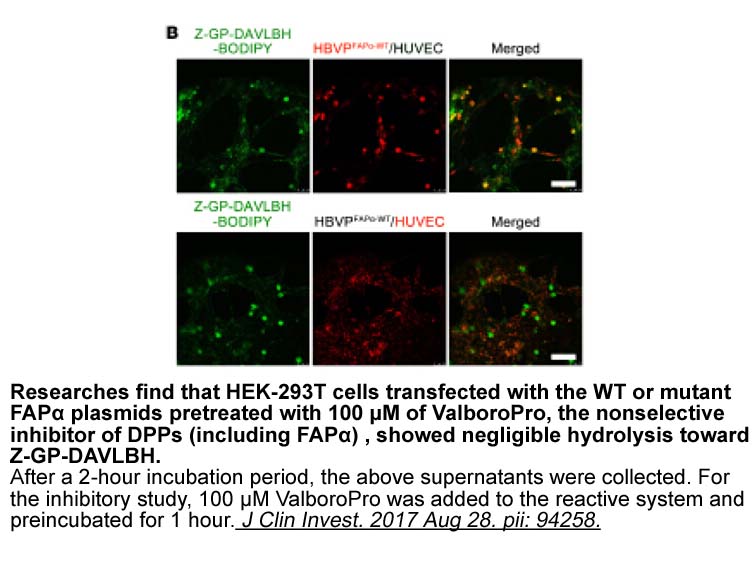
The overall adjustment, the non-toxicity and the addiction-free treatment methods are the advantages of EA. EA treatment for depression has achieved great clinical effect in recent years (Dong et al., 2017). The clinical practice guideline of the American college of physicians (ACP) have pointed out
-
br Disclaimer br Conflicts of
2024-07-11
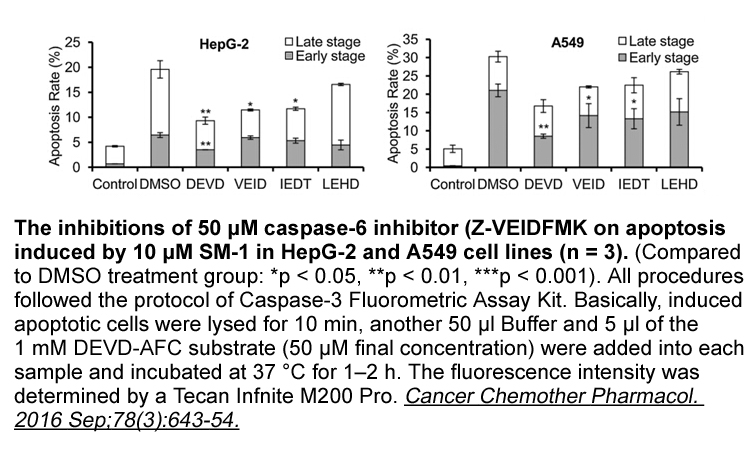
Disclaimer Conflicts of interest Role of the Sponsor Acknowledgements Funding/support: This project was supported by a grant from the Department of Surgery (R5129), Western University and by the Institute for Clinical Evaluative Sciences (ICES) Western site. ICES is funded by an annual g
-
Moreover our present work suggests that AXL
2024-07-11
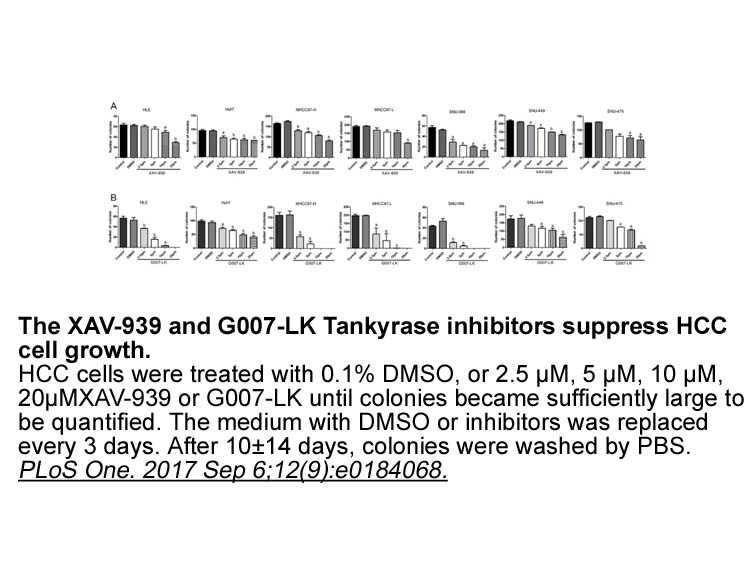
Moreover, our present work suggests that AXL could be a modulator of sunitinib response, at least for cell lines that present high endogenous levels of this RTK activation, since we observed an increased responsiveness to sunitinib in LY364947 activated with AXL receptor ligand. A role for AXL in m
-
Thus phosphorylation of p was used
2024-07-11
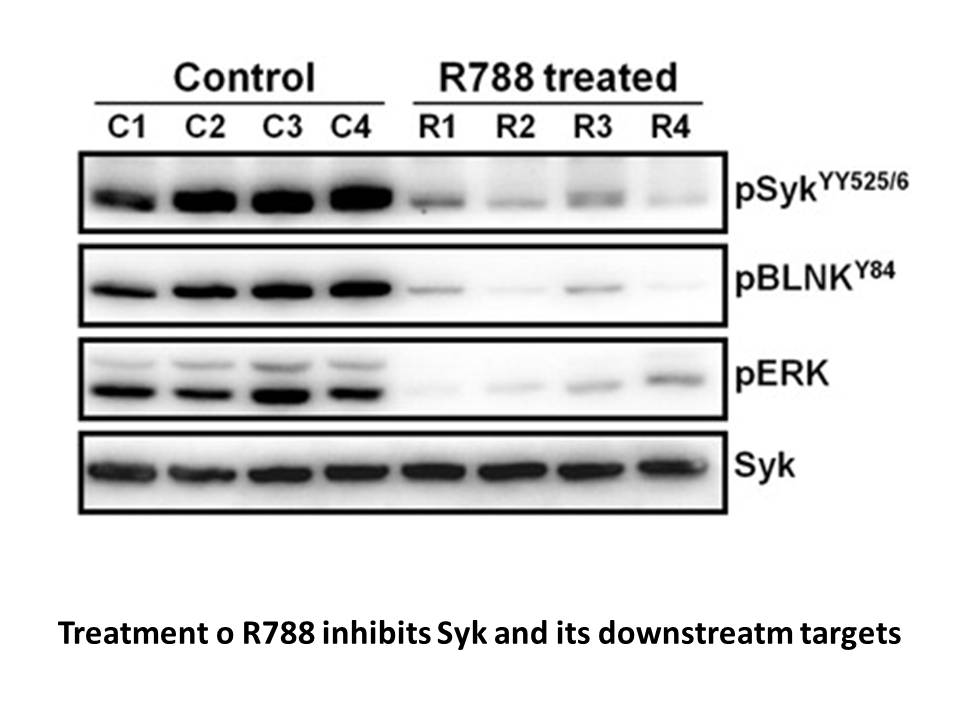
Thus, phosphorylation of p38 was used to measure the intracellular potency of ASK1 inhibitors. In this assay, HEK293/AP-1luc atp enzyme expressing human full-length ASK1 were incubated with compound for 18 h and then lysed and the level of phospho-p38 was quantified using the HTRF assay [33]. Re
8731 records 155/583 page Previous Next First page 上5页 151152153154155 下5页 Last page