Archives
- 2026-04
- 2026-03
- 2026-02
- 2026-01
- 2025-12
- 2025-11
- 2025-10
- 2025-09
- 2025-03
- 2025-02
- 2025-01
- 2024-12
- 2024-11
- 2024-10
- 2024-09
- 2024-08
- 2024-07
- 2024-06
- 2024-05
- 2024-04
- 2024-03
- 2024-02
- 2024-01
- 2023-12
- 2023-11
- 2023-10
- 2023-09
- 2023-08
- 2023-07
- 2023-06
- 2023-05
- 2023-04
- 2023-03
- 2023-02
- 2023-01
- 2022-12
- 2022-11
- 2022-10
- 2022-09
- 2022-08
- 2022-07
- 2022-06
- 2022-05
- 2022-04
- 2022-03
- 2022-02
- 2022-01
- 2021-12
- 2021-11
- 2021-10
- 2021-09
- 2021-08
- 2021-07
- 2021-06
- 2021-05
- 2021-04
- 2021-03
- 2021-02
- 2021-01
- 2020-12
- 2020-11
- 2020-10
- 2020-09
- 2020-08
- 2020-07
- 2020-06
- 2020-05
- 2020-04
- 2020-03
- 2020-02
- 2020-01
- 2019-12
- 2019-11
- 2019-10
- 2019-09
- 2019-08
- 2019-07
- 2019-06
- 2019-05
- 2019-04
- 2018-07
-
Young disease transitioning B Sle
2024-01-12
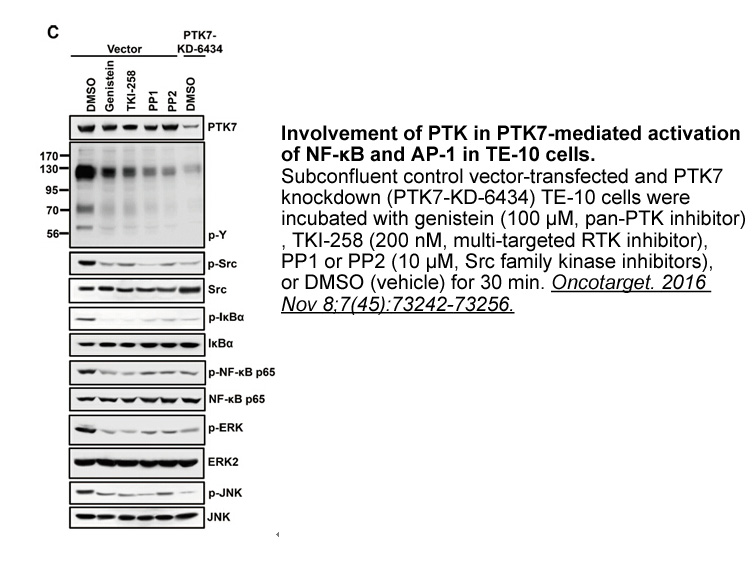
Young disease-transitioning B6·Sle1 mice show partial loss of leukocyte Axl versus B6 controls (data not shown). Further, BMDM from diseased B6·Sle1.Yaa mice do not express detectable levels of ADAM10 and TACE (ADAM17) but do express basal levels of Axl similar to wild type B6-derived BMDM (Suppleme
-
In bacteria H gler et al Kanao
2024-01-11
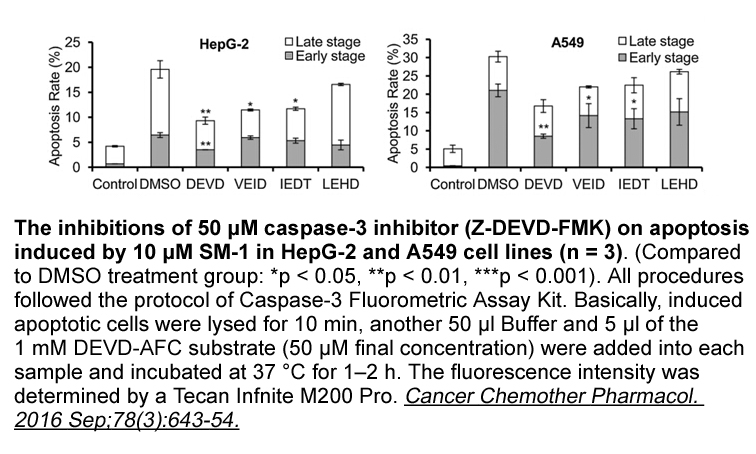
In bacteria (Hügler et al., 2007, Kanao et al., 2001), a glaucophyte alga (Ma et al., 2001), green algae/land plants (Fatland et al., 2002), and filamentous fungi (Nowrousian et al., 2000), ACL enzyme activity requires ACLA, and ACLB (referred to here as dual-subunit ACL, or dsACL) (Kanao et al., 20
-
WM-2474 br Introduction Arginase deficiency is a rare metabo
2024-01-11
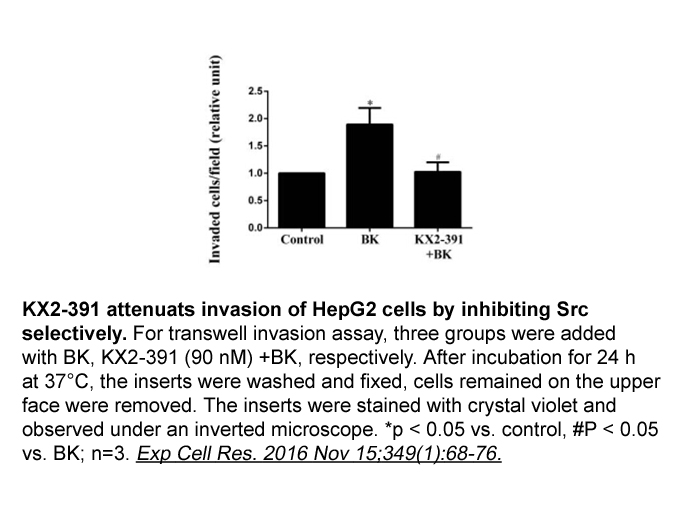
Introduction Arginase deficiency is a rare metabolic disorder resulting from a loss of arginase 1 (ARG1), the final enzyme in the urea cycle, which is the major pathway for the detoxification of ammonia in terrestrial mammals. ARG1 is expressed most prevalently in hepatocytes and red blood cells.
-
br Consequences of central apelin APJ modulation Regarding e
2024-01-11

Consequences of central apelin/APJ modulation Regarding extra-hypothalamic actions, recent data demonstrate that the central apelin/APJ system could be a potential new target for the regulation of memory (Han et al., 2014). Then, intracerebroventricular (icv) apelin administration in mice impairs
-
Although the earlier studies focused on
2024-01-11
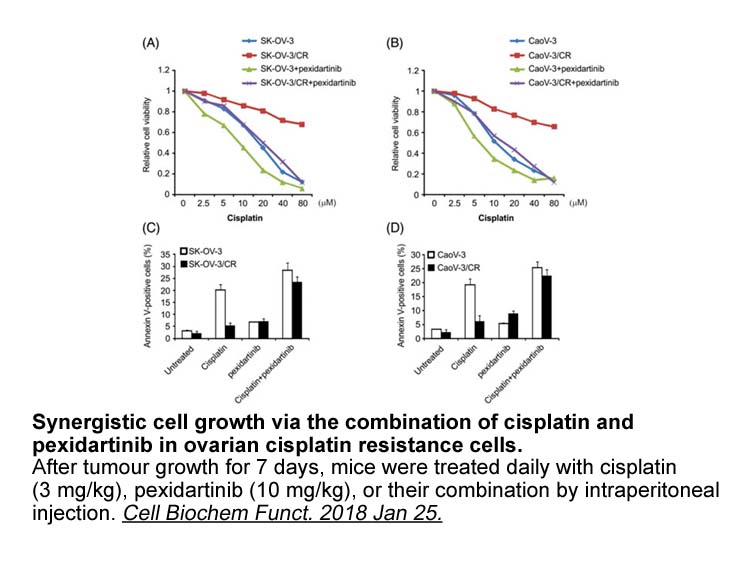
Although the earlier studies focused on the antioxidant capacity of tocopherols, ascorbic 2 deoxy d glucose mg and carotenoids, then it was noticed that phenolic compounds were more powerful than others (Rice-Evans, Miller, & Paganga, 1996). Phenolic compounds, the most numerous and ubiquitous group
-
To date attention has been directed
2024-01-11
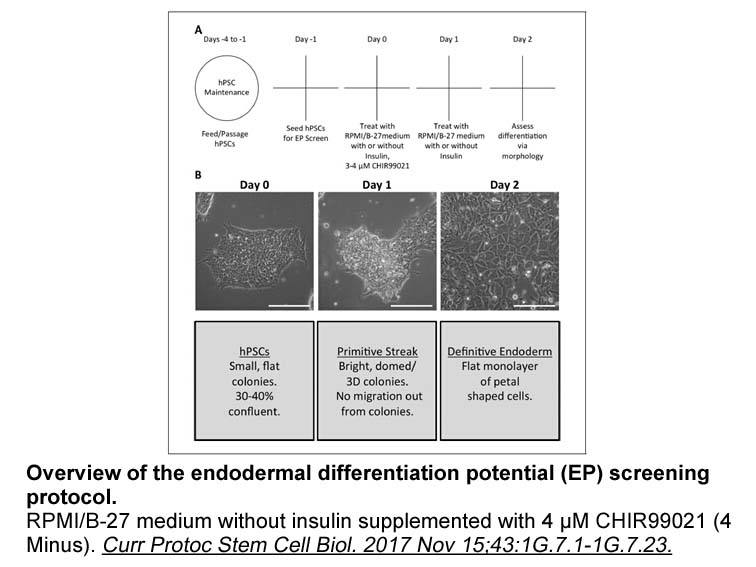
To date, attention has been directed towards new molecular targets in luminal phenotype (ER-positive), such as CDK4/6 and, to a lesser extent, androgen receptor (AR) pathways [8]. While the role of CDK4/6 has been elucidated and their inhibitors have shown a benefit in luminal BC, the role of AR in
-
guanabenz In our study we provide evidence for
2024-01-11
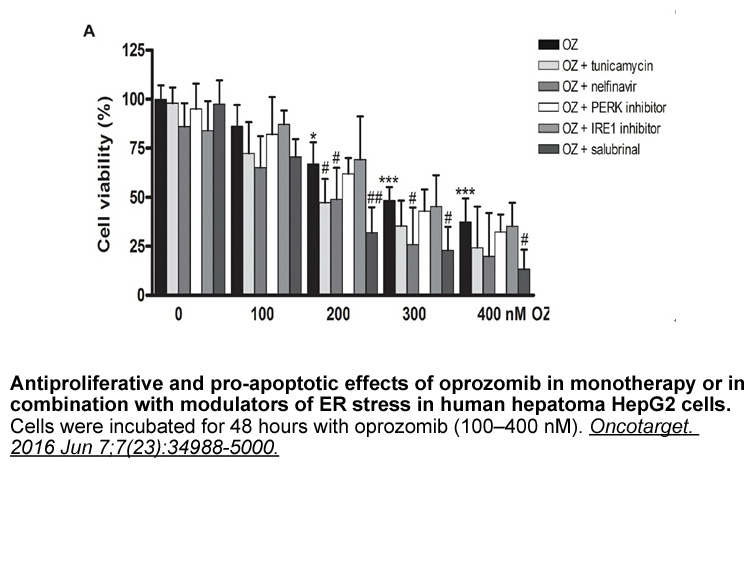
In our study we provide evidence for the existence of an endosome-lysosomal pathway for the proteolytic degradation of AR triggered by its interaction with the ESCRT-I component TSG101. The following findings of this study support this notion: (1) We showed that TS101 interacts with endogenous or ec
-
br Introduction Metabolic cues are crucial
2024-01-11
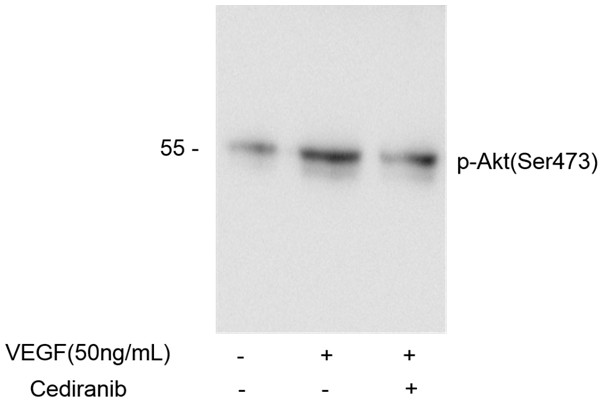
Introduction Metabolic cues are crucial inputs in dictating acute responses through governing cellular signaling pathways as well as in shaping up long-term transcriptional and epigenetic profiles to control chronic cellular responses (Lu and Thompson, 2012). It has been well documented that meta
-
WKY and SHR strains have important differences mainly in the
2024-01-11
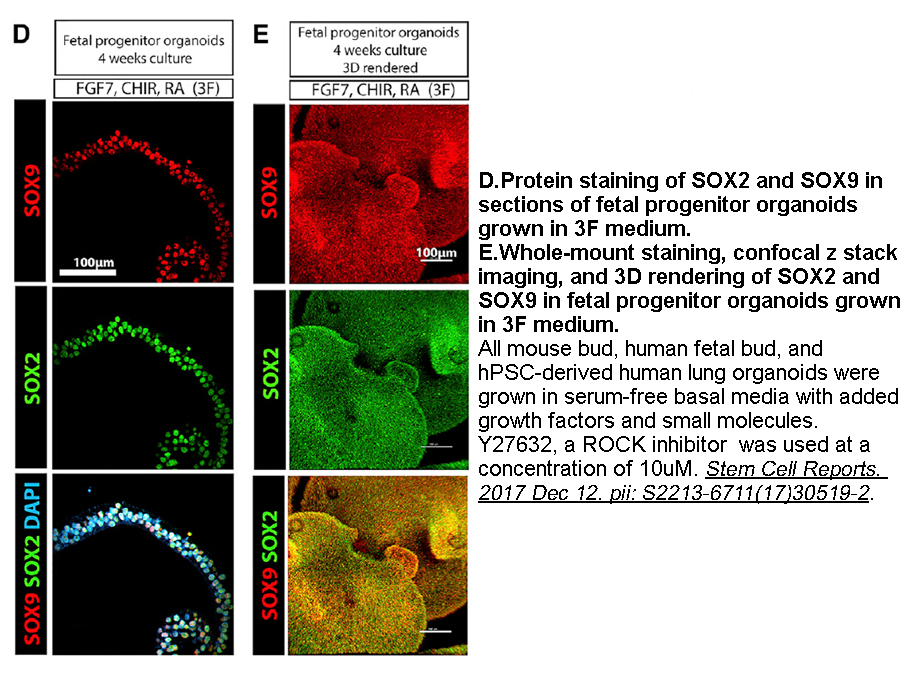
WKY and SHR strains have important differences mainly in their sympathetic status but also in the activity of the RAS. The development of hypertension in SHR is clearly related to an increase in sympathetic activity [51], [11]. In addition, increased renal sympathetic nerve activity led to an increa
-
Several enzymes in serine and glycine metabolism have been p
2024-01-11
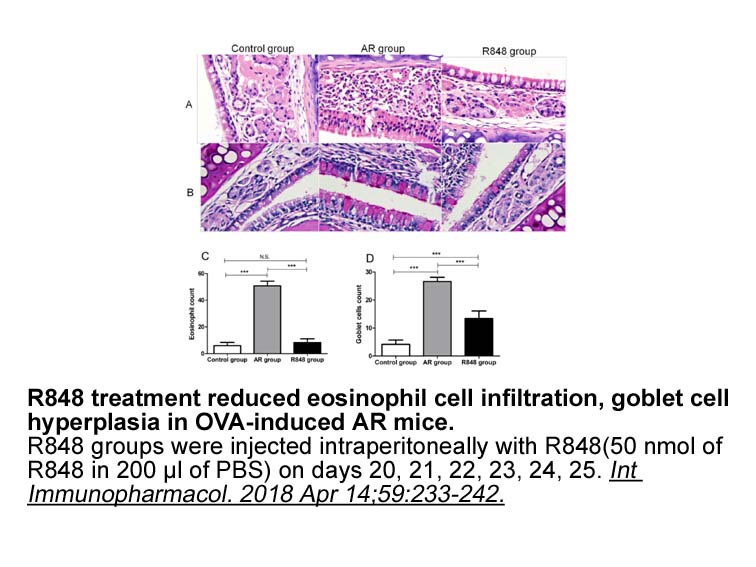
Several enzymes in serine and glycine metabolism have been proposed as biomarkers for cancer stage and prognosis. Phosphoglycerate dehydrogenase (PHGDH), phosphoserine phosphatase (PSPH), and serine hydroxymethyltransferase (SHMT) levels are high in TNBC and low in luminal-A breast cancers (Kim et a
-
br Regulation of AHR Activity AHR activity
2024-01-11
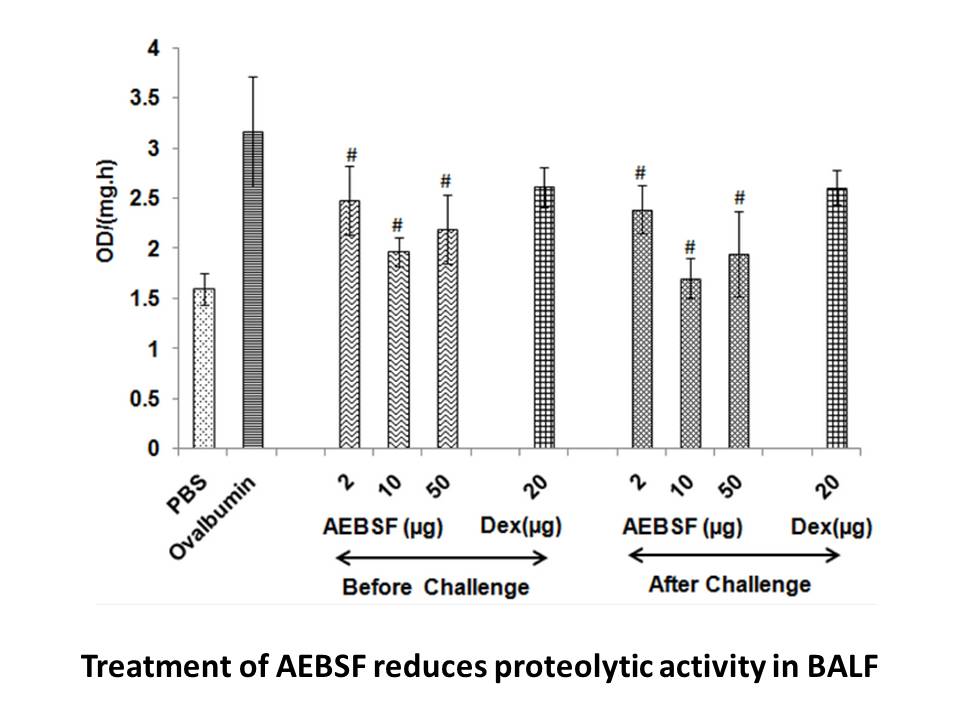
Regulation of AHR Activity AHR activity is regulated in various ways. First, AHR protein levels are controlled via ubiquitin-mediated proteosomal degradation: Ligand binding induces AHR ubiquitination and subsequent degradation by the proteasome [5]. AIP, a component of the AHR chaperone complex,
-
There is a growing literature on ABCA
2024-01-11
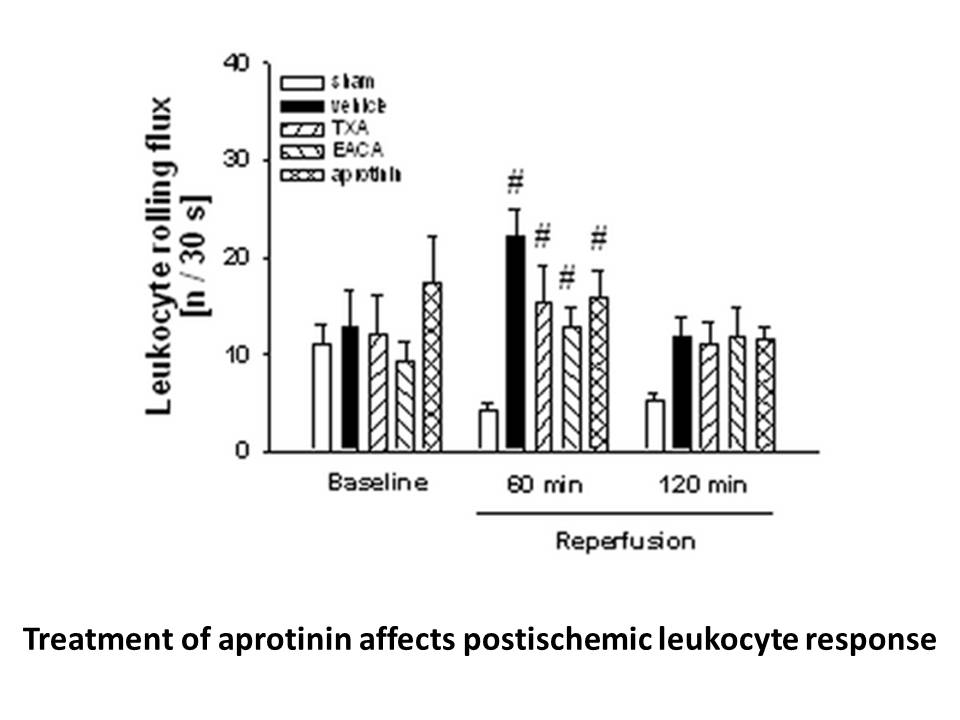
There is a growing literature on ABCA2 expression in human biopsies, where it has been described as a potential biomarker of leukemias. In childhood T-cell acute lymphoblastic leukemia, ABCA2 and ABCA3 were expressed at high levels, which upon treatment with methotrexate, vinblastine and doxorubicin
-
Ketogenic diets are more effective in
2024-01-11
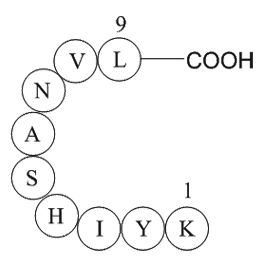
Ketogenic diets are more effective in promoting weight loss than conventional caloric restriction [26] however, their effect on hepatic glucose and lipid metabolism remains inconclusive. Blood glucose homeostasis is tightly regulated. In both mice and humans consuming KD, baseline blood glucose decr
-
In plants altered expression of Aurora kinases results in im
2024-01-10
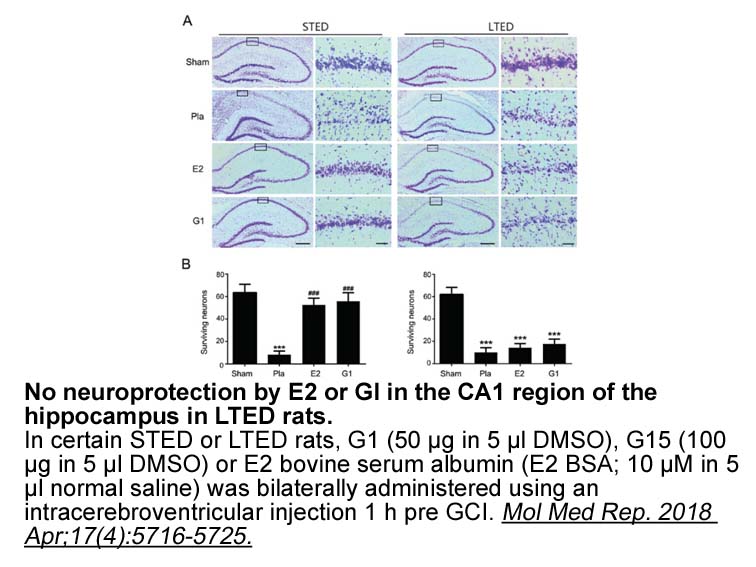
In plants, altered expression of Aurora kinases results in impaired meiotic divisions followed by the formation of aneuploid or polyploid progenies [21]. This observation is interesting from an evolutionary point of view because it can be assumed that, during evolution, the influence of biotic and a
-
Purification of Rv c In order to investigate the catalytic
2024-01-10
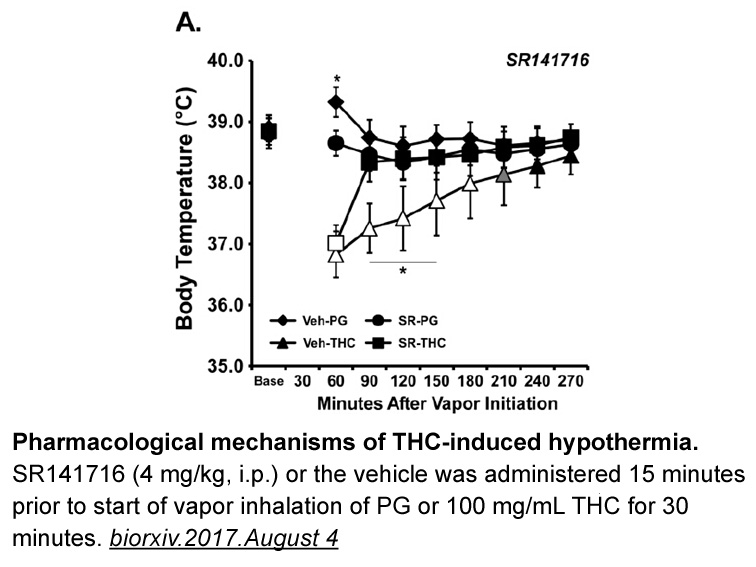
Purification of Rv2477c. In order to investigate the catalytic capabilities of Rv2477c, we expressed the protein as an N-terminal histidine-tagged fusion protein in E. coli BL21 cells and purified the protein by cobalt-affinity chromatography. As shown in Fig. 2A, the 65 kDa fusion protein was expre
16456 records 235/1098 page Previous Next First page 上5页 231232233234235 下5页 Last page